Beginner triathlon training course: 5 tips for a successful first course
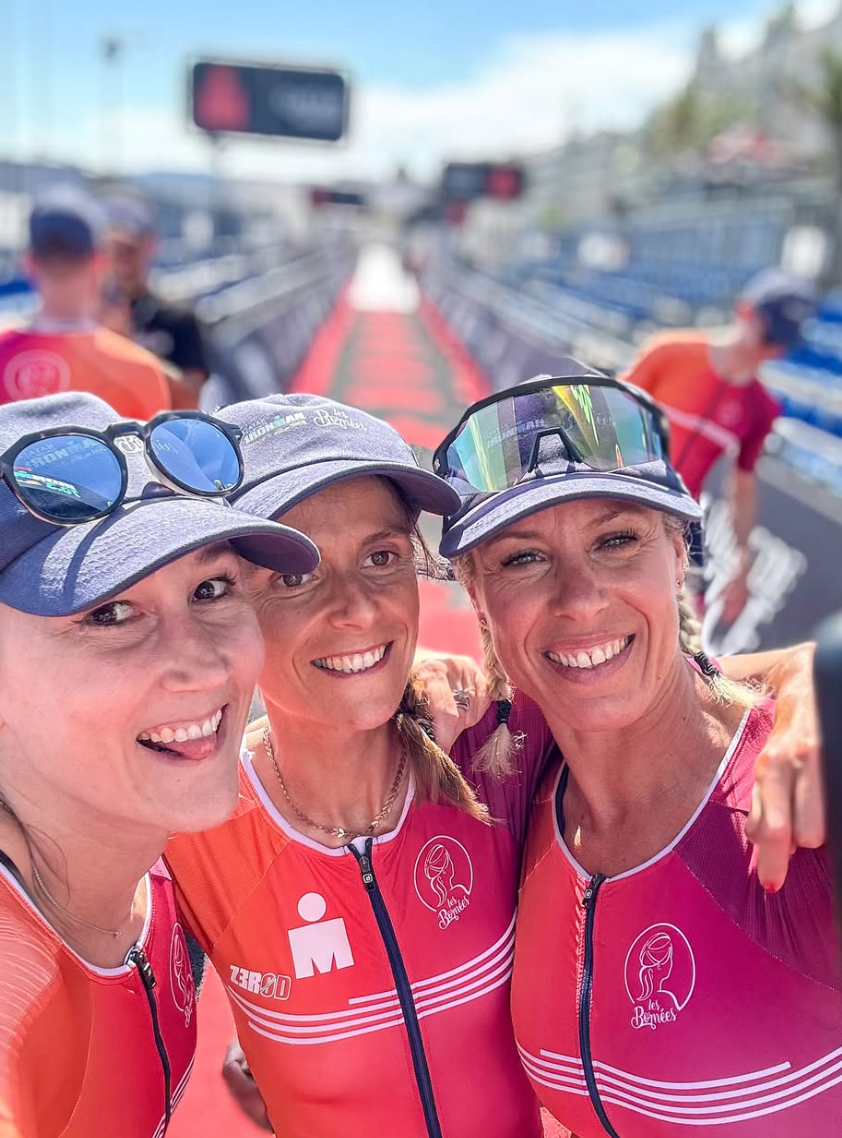
You've just spotted a triathlon camp and a little voice tells you it would be a great adventure... just before you start wondering if you're good enough, if you'll keep up, if you won't end up lagging behind the group. Take a deep breath: everyone asks themselves these questions before their first camp. Absolutely everyone, even those who now show transitions worthy of an Olympic time.
The good news is that a well-chosen camp is one of the best progress accelerators out there, especially when you're starting out. In a few days of immersion, you learn more than during months of solo training: you build a solid technical foundation, you finally understand how your body works across three disciplines, and you leave with newfound confidence.
So, to turn apprehension into eagerness, here are five concrete tips, tried and tested by generations of participants, to make your first triathlon camp a success.
1. Don't wait until you're "good enough" to sign up
This is the most common mistake among beginners: postponing registration by saying "I'll see when I'm more ready." In reality, you're looking at the problem backward. The camp is part of the preparation; it's not the reward. It's precisely there that you will lay the foundations: technique, training structure, understanding your limits, and, most importantly, confidence.
The only true prerequisite isn't performance: it's the desire to improve. If that's there, you already have your entry ticket. And if practical questions are still holding you back, a quick look at our FAQ should put your mind at ease.
2. Choose a camp truly designed for beginners
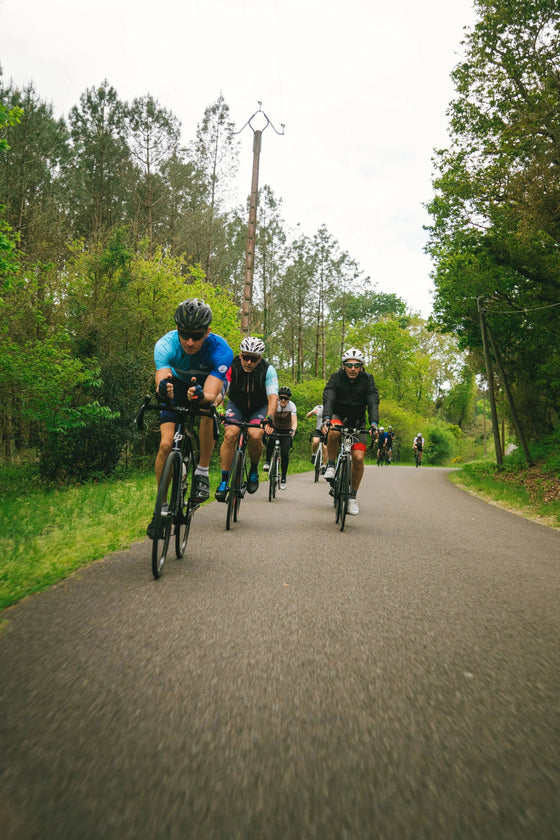
Not all camps are created equal, even when the word "beginner" is prominently displayed on the page. Before signing up, check a few essential points: the existence of level groups so you can cycle and swim with people who are progressing at your pace, a reasonable daily volume rather than an excessive amount of kilometers, a real balance between swimming, cycling, running, and recovery, and finally, the presence of certified coaches who explain before demonstrating.
A good beginner camp doesn't aim to impress you; it aims to help you understand, feel, and make lasting progress. This is exactly the philosophy of our triathlon camps, where each session is supervised and adapted to your current level, not the one you dream of having in two years.
3. Come to learn, not to compare yourself
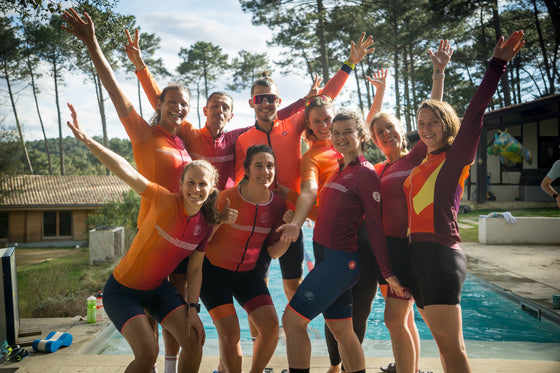
A group camp is intense: you share sessions, meals, laughter, and evening discussions. Naturally, the urge to compare yourself arises. Our advice can be summed up in one sentence: don't turn your camp into a disguised competition.
Instead, observe, ask questions, try new sensations, and accept being less comfortable in one discipline than another. Triathlon is a sport of balance, and the camp serves precisely to identify your areas for improvement, not to judge you. In a proudly mixed community like ours, everyone progresses at their own pace, and that's perfectly fine.
4. Take care of your recovery as much as your training
When you're starting out, you almost always underestimate this point. During a camp, you train more than usual, and your body takes a hit. Recovery is therefore not a bonus: it's an integral part of progression. Serious hydration, quality sleep, intentional downtime, and adapted nutrition (with us, chef-prepared meals make this last point surprisingly easy to follow).
Good camps also include stretching sessions, sometimes yoga, and discussions about nutrition. Take advantage of this to ask all your questions: it's fundamental, not accessory.
5. Leave with a method, not just sore muscles
The success of a first camp isn't measured by the fatigue on the last day, but by what you take home: a better understanding of your training, intensity benchmarks, technical reflexes, and a clearer vision for your season. A successful camp is one that makes you want to continue, with direction and structure.
And speaking of luggage, it's best to be well-equipped: we've prepared a comprehensive article on the essential gear to pack for your first camp.
For many, the first camp marks a before and after: you no longer train "randomly," you become an active participant in your progress, surrounded by people who experience the same doubts and small victories. And between camps, there's no need to wait to keep the flame alive: with the free Smatchy app, you can find activities near you and continue the adventure all year long. So, when are you signing up?
We'll guide you every step of the way: discover our triathlon camps for beginners.
Sources
- Fédération Française de Triathlon (FFTRI) — www.fftri.com
- Conseils issus des stages débutant·es Les Bornées — lesbornees.com
 Maud
Founder of Les Bornées
Maud
Founder of Les Bornées
Written by the Les Bornées team, sometimes with the help of AI tools, and always reviewed by a human.
Certified coaches, ability-grouped rides, chef-prepared meals: all you have to do is pedal, we'll take care of the rest.
Discover stays